• Cultivating Hearing Health at an Early Age

    When you think about protecting your children from illness, your thoughts likely turn to getting them vaccinated and teaching them to wash their hands often. You probably don’t think about protecting their hearing as a way to prevent serious illness, but new research suggests that you should.

    Linking Hearing and Health

    A report released in October of 2018 by the World Health Organization (WHO) makes it clear that noise and noise pollution contribute to both mental and physical illnesses, stating that excessive amounts of noise can “disturb sleep, cause cardiovascular and psycho-physiological effects, reduce performance and provoke annoyance responses and changes in social behaviour.”

    It’s true that there is no escape from the noise of traffic, trains, airplanes, wind turbines and even leisure activities like music concerts. That doesn’t mean that all hope is lost. Protecting your hearing helps you preserve it and reduces your risk of other health problems — and there are plenty of ways you can do that for yourself and for your children.

    Hearing Health for Kids

    Every baby born in Ontario after 2002 gets screened for hearing problems shortly after birth. This early screening identifies infants with hearing issues, so they can get the help they need to develop language and communication skills.

    Whether your infant’s hearing tests in the normal range or proves impaired, it’s important to protect whatever hearing ability remains. To do so, make sure noise-making toys aren’t too loud. It’s best to avoid or discard loud toys with no volume control. Although earbuds allow your child to enjoy movies, games and music without disturbing others, it’s important to limit their use and monitor their volume.

    Remember that hearing problems can develop at any time, so pay attention as your child grows. If you notice your child always turning up the television or speaking loudly, she may have a hearing issue. Listening problems can also indicate a loss of hearing. Of course, loud music and trouble listening could just mean your child has become a teenager, too, but it’s best to have their hearing checked to make sure.

    Hearing Health for Adults

    Unfortunately, fighting genetic hearing loss is sometimes a losing battle. You can, however, greatly reduce your risk of exposure to environmental causes of hearing loss if you keep your ears open to some sound advice.

    To protect yourself, consider the amount of noise produced by the equipment, vehicles, tools and appliances you purchase for use at home and at work. Many times, electric and battery-powered devices make less noise than those driven by gas or diesel engines.

    When you must use equipment on the louder end of the spectrum, use barriers and noise dampeners whenever it’s possible. This protects others who find themselves within earshot of your work area. Protect yourself, as well, by wearing disposable earplugs, earmuffs or customized hearing protection.

    Hearing Protection Choices

    Disposable earplugs are readily available and inexpensive, which makes them a good choice for many. Their small size makes them easy to carry and convenient when working in tight places where bulkier gear, like earmuffs, may be an issue.

    It does take some time, however, to mold these generic plugs to your ears, and they may irritate your ear canal if you don’t shape them properly. Some users find insertion and removal difficult, and good hygiene is a must. Disposable earplugs are just that and should never get used more than once.

    Earmuffs, too, have pros and cons. Because they’re easy to see, earmuffs are hard to misplace. They also make it easy for supervisors to ensure that employees wear them as required. It’s safe to wear earmuffs even with an ear infection, and they reduce vibration in addition to protecting hearing. Earmuffs are somewhat bulky, however, which makes them less portable than disposable earplugs and more cumbersome when working in tight spaces. You may struggle to wear earmuffs comfortably if you wear glasses, safety hats or religious head coverings while working.

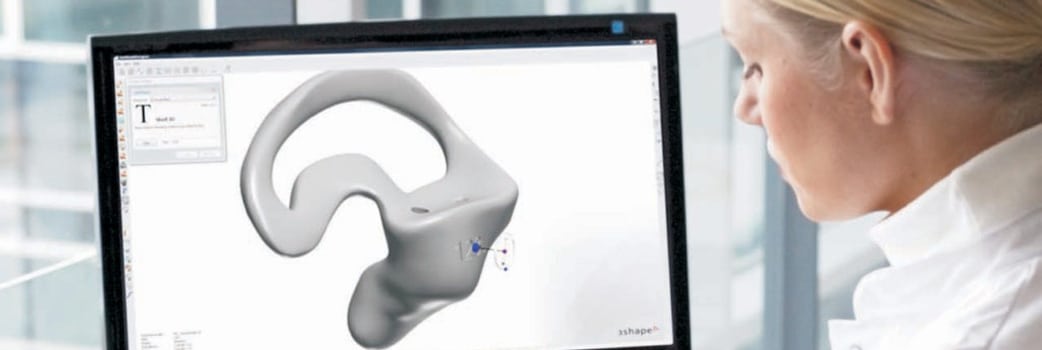
    While both disposable earplugs and earmuffs have their place, custom earplugs generally work best for those frequently exposed to loud noises. Made specifically to fit your body, custom earplugs provide superior comfort and perform better than other hearing protection devices.

    The biggest objection people have to customized earplugs is their initial cost. Custom earplugs typically last three to five years, however, making them cheaper over the long term than other hearing protection solutions. Custom earplugs also improve compliance. Ear protection doesn’t work if you don’t wear it, and many of us have been guilty of removing uncomfortable hearing protection. Customized earplugs offer superior comfort, increasing the likelihood that you and your employees will actually use them and do so without complaint.

    Remember the Audiologist

    No matter what type of hearing protection you choose or how faithfully you use it, remember to have your hearing checked annually.

    Noise-induced hearing loss is usually gradual, so you may not notice it until it becomes severe. Hearing loss also occurs without pain. Although a lack of pain is typically considered a good thing, pain does indicate that you’re having a problem. Without it, you’ll have no way of knowing that you’re hearing is suffering unless you have it checked by a professional. Annual hearing tests detect even slight changes in your hearing, allowing you to adjust your hearing protection as needed.  

    If you’re still not convinced, consider what you have to lose. People affected by noise-induced hearing loss typically lose the ability to hear high frequencies first. This means that the first thing you’ll lose is the ability to hear the voices of women and children. This could mean missing out on what your daughter, wife or grandchildren have to say. As your hearing continues to erode, you could ultimately lose the ability to hear deeper male voices, too.

    Hearing loss caused by noise is permanent, but it’s also 100 percent preventable. Give your children a healthy start by monitoring and limiting their noise exposure and teaching them to protect their hearing as they grow. Protect yourself by choosing quieter tools, using the proper hearing protection and having your hearing checked every year.

    Author: Karen Vye

    Resources:
    The World Health Organization, 2018
    Alzheimer Society of Canada, 2018
    Ministry of Children and Youth Services, 2002

  • Top 5 Things to Know About Hearing Protectors

    We are often asked, “What is the best type of hearing protector?” Our answer is always, “The one that gets worn!”

    When selecting hearing protection, people usually focus on the product’s Noise Reduction Rating (NRR), presuming that the one with the highest rating is the best choice. We would suggest that this is not the best approach because no matter how much noise reduction they offer, if they’re not comfortable, they’re not likely to be worn properly or even worse, at all.

    Top 5 things you need to know when selecting hearing protectors:


    1. DETERMINE HOW MUCH PROTECTION IS NEEDED
    A hearing protector should only provide the appropriate amount of noise reduction for the environment in which it will be used. Any less and it won’t do its job. Any more and you may get complaints such as “I can’t hear anything with these on!” The goal is to get the noise exposure down to a safe level – around 80dB (decibels).

    2. SELECT THE RIGHT NOISE REDUCTION RATING (NRR) Hearing protectors come with an NRR rating that indicates how many decibels of noise reduction they provide. An NRR20 should reduce the noise by 20dB, an NRR30 should reduce it by 30dB, and so on. The problem is that NRR ratings are established under ideal laboratory conditions. In the real world people don’t always get a proper fit. Research shows the average NRR rating for a group of employees is as follows:

    • Earplugs: Around 40-50%
    • Ear muffs: Around 60-70%
    • Custom-fitted earplugs: 80-90% or more

    When selecting hearing protection, keep this in mind and shop accordingly. If necessary, you can always double-up by wearing ear muffs over top of earplugs.

    3. FOCUS ON FIT & COMFORT Once you’ve established the necessary NRR rating, focus on the models that offer the highest comfort level.

    4. OFFER CHOICES You’ll never find a group of people that all agree on what’s comfortable, so offer a choice of at least three types of earplugs and two types of ear muffs. There is no right or wrong (better or worse) choice between plugs & muffs. They’re both available in ratings from NRR10 to NRR34 and, if worn properly, work equally well. They both have their advantages and disadvantages:

    • Ear plugs are small, convenient, and inexpensive, but they can also be hard to insert properly, uncomfortable, easily lost, needing good hygiene, and be a source of litter. It can also be difficult for a supervisor to tell if they’re being worn properly.
    • Ear muffs are easier to fit properly, less likely to get misplaced and last much longer. It’s also easier to see if they’re being worn properly. But they’re also more costly, heavier & less portable, may have fitting issues with glasses, hair & headwear, and they may be uncomfortable in hot & humid conditions.
    • Custom-fitted earplugs. Since the best hearing protector is the one that’s both comfortable and has just the right amount of noise reduction, we’re strong advocates of custom fitted, calibrated earplugs. There’s a growing body of research indicating that properly fitted custom plugs perform notably better on average than off-the-shelf models. They typically last for 3 to 5 years, so they can actually be cheaper and more cost-effective in the long run than using off-the-shelf products, including the throw-away foam earplugs. And like custom eyewear, they are a personalized safety product, so workers tend to take them more seriously and treat them with more care.

    5. ALLOW TIME TO GET USED TO THEM If you are introducing hearing protection to people that have never worn them before, be sure to provide them with proper training on the use and care of the protectors and let them “ease” into wearing them. For example, allow wearing the protectors for 2 hours a day for a week, extend to 4 hours for a week, then 6 hours and so on. By the end of the month, they’ll be comfortable wearing them for the full shift.

    Increase your chances of selecting hearing protectors that get worn

    If you keep these 5 tips in mind the next time you’re in the market for new hearing protectors, you will increase the chances of protecting your most valuable resource – your people. For more information about Hearing Protectors and Hearing Testing, contact us or download our free guide on Workplace Hearing Conservation.

  • The Real Cost of Noise Induced Hearing Loss

    Noise induced hearing loss is now the most common occupational disease in North America.

    According to Statistics Canada, more than one million adults across the country have reported a hearing-related disability. It was estimated that hearing loss costs the Canadian economy more than $10.6 billion each year and according to Heather Ferguson, President of the Hearing Foundation of Canada, actual numbers may reach as much as three million, as hearing loss is believed to be under reported.

    The potential cost of hearing loss goes well beyond the simple WSIB dollar figures. It is a potential accident risk and a serious quality of life issue.

    Noise Induced Hearing Loss (NIHL) can occur from ongoing exposure to noise levels 85dB or above. In its early stages, NIHL impairs our ability to hear high-pitch tones. For example, you may have trouble hearing birds chirping, a beeping alarm clock, or perhaps even a warning signal in the workplace which could lead to a potential accident. It also affects our ability to hear the “consonant” sounds of human speech, which help separate words into syllables. Without this ability, voices, particularly those of women and children sound muffled, as though talking with your hand over your mouth. And these high-pitch tones also provide the directional cues that help us locate the source of a sound. As the NIHL increases, it eventually spreads to the lower-pitch tones, and we begin to have trouble hearing men’s voices and many of the other sounds in our everyday life. People with this type of hearing disability often describe their lives as one of isolation, both at work and at home. They get confused and are unable to follow conversations in crowded, noisy places and find themselves being ridiculed by those around them as being “stupid”. And because they often have more trouble hearing women’s and children’s voices, they experience tremendous anxiety that affects their family life. The isolation they experience can lead to serious stress-related illnesses, withdrawal from the family, and a shying away from social activities.

    NIHL is permanent. Fortunately, it’s also 100% preventable.

    The problem with NIHL is that it is a very slow process. There is no blood, no pain, and often it takes years to manifest. For this reason it can often be difficult to convince people that anything is happening, After all, their hearing seems to be the same when they wake up as when they went to sleep. They eventually do notice a change, but by then, permanent damage has already been done.

    Prevention: Establish a workplace Hearing Conservation Program

    Most NIHL is due to over-exposure to high noise levels in the workplace, and it is the responsibility of the employer to prevent this over-exposure with a hearing conservation program. This does not simply mean giving them some hearing protectors and leaving them on their own. What type of hearing protector is appropriate? What is the appropriate noise reduction rating for the protectors? Do you know the actual noise level they will be used in? How will you ensure the hearing protectors will be worn properly (or at all)? Have you considered reducing the noise at the source? This could potentially eliminate the risk altogether. Maybe the cost of buying a quieter hand tool is less than the long-term cost of the hearing protectors. A comprehensive HCP will deal with all of these issues and ensure the long-term hearing safety of the workers. A comprehensive Hearing Conservation Program consists of the following elements:

    • Noise Survey and Noise Dosimetry measurement
    • Engineered noise control
    • Hazard postings
    • Hearing Protectors
    • Baseline & annual hearing tests
    • Hearing Safety Education and Training
    • Annual program review

    In a nutshell, you want to reduce noise where you can, provide hearing protection devices where you can’t, help the participants understand the program and how it benefits them, and check them regularly for hearing loss. A strong emphasis must be put on the educational components of the program. These will be the cornerstone of the program and will play a large part in the relative success.

    Hearing testing is the only tool that can verify the success of your hearing conservation program.

    Even with the best training, there will be some people that aren’t wearing their hearing protectors properly. This may or may not be intentional. The hearing tests are able to spot a developing noise induced hearing loss long before the patient is able to notice it. The same is true for other types of hearing losses, as well. This allows for follow up action to be taken at the earliest possible stage. It is strongly recommended that a professional, experienced Hearing Conservation Program service provider be utilized in the development & delivery of the program in order to ensure quality control and program success.

    Hearing safety benefits us all. Help ensure good hearing in the years to come by protecting your employees hearing now with a Hearing Conservation Program.